
Magic Mushrooms for Postpartum Depression
What the science is finally beginning to show about psilocybin and the postpartum period.

Some of the information in this article was provided by our friends over at Psychedelic Passage. Psychedelic Passage is a trusted network of vetted psychedelic therapy providers.
The weeks and months after birth are supposed to be a time of joy. For too many mothers, they are something else entirely: a fog of disconnection, guilt, exhaustion, and a grief that is hard to name because it sits right next to love.
Postpartum depression (PPD) has always shocked me personally as a wildly under-researched field. I have a mother, I have dated mothers, and some of my closest friends are mothers, and I find it disturbing how little medicine seems to offer in return

Roughly 15% of women experience PPD globally, making it one of the most common complications of childbirth. But the treatment options remain surprisingly thin. Antidepressants take four to six weeks to work. The only FDA-approved drugs specifically for PPD—brexanolone and zuranolone—are expensive, logistically demanding, and out of reach for most mothers. Psychotherapy helps, but access remains limited.
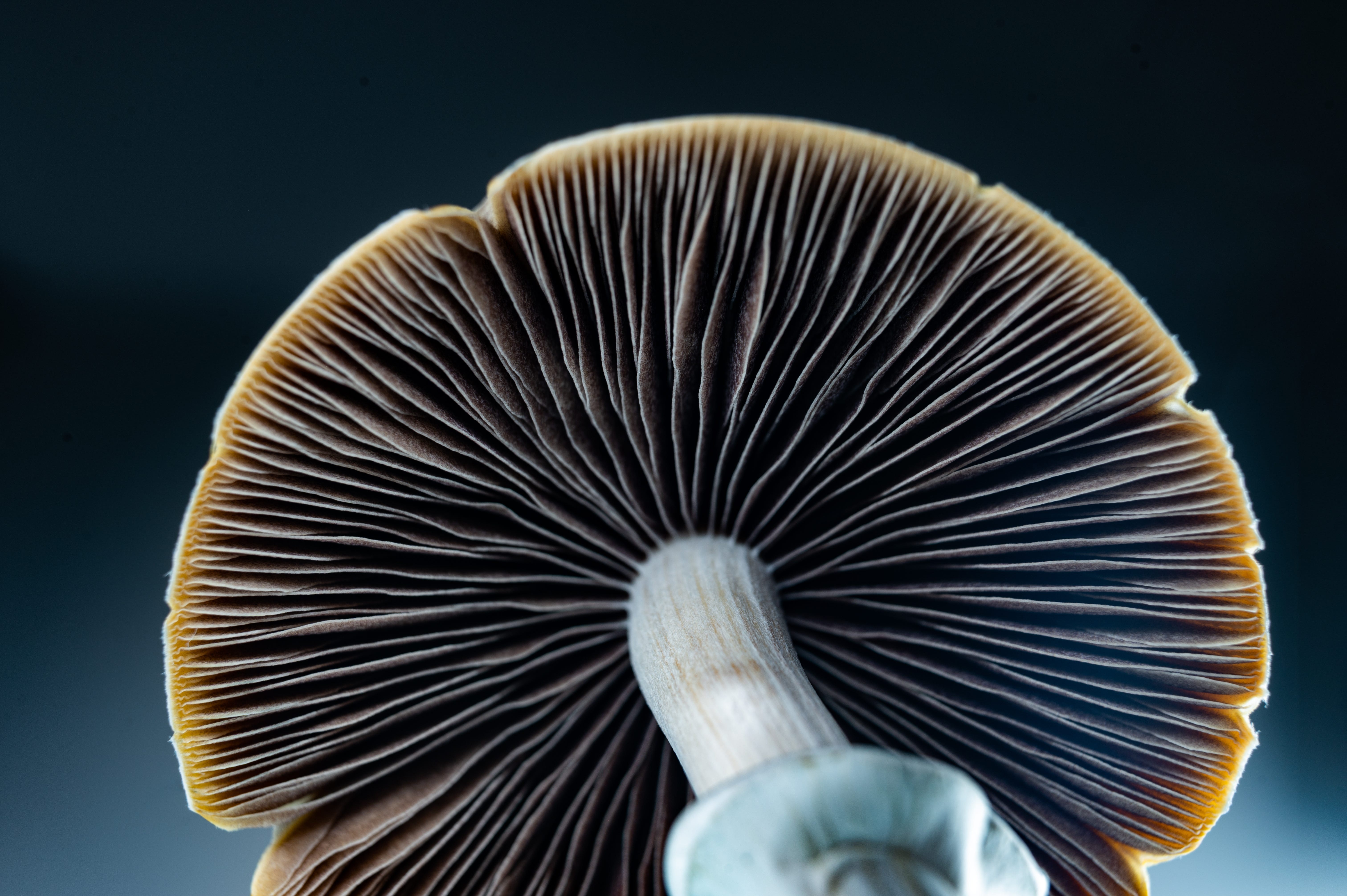
Now, a different kind of medicine is entering the conversation: psilocybin, the active compound in magic mushrooms. The early science is striking, and it connects to traditions that go back much further than any clinical trial.
What is postpartum depression?
PPD is not simply “baby blues,” and it is not a failure of will. It is a condition rooted in a complex collision of biology, identity, and circumstance. After birth, progesterone and estrogen levels drop sharply, the immune system shifts from a suppressed to an activated state, stress hormones recalibrate, and the brain undergoes structural changes that are only beginning to be mapped by neuroscience.
For some women, the result is a nervous system that struggles to return to baseline. They can experience disrupted sleep, intrusive thoughts, difficulty bonding with the infant, and a muted response to reward and pleasure. Brain imaging studies have consistently found that women with PPD show blunted activity in the brain’s reward circuitry when looking at their own baby’s face. The disconnection is neurological. It is also, for the mother living it, devastating.
As many mothers and midwives have long recognized, it is sometimes inseparable from birth trauma. Difficult deliveries, loss of bodily autonomy during labor, and emergency procedures are all experiences that do not disappear at discharge. They live in the body, and they shape the postpartum experience in ways that antidepressants alone are not designed to address.
What psilocybin does and why it matters
Psilocybin works through serotonin, specifically through the 5-HT2A receptor, but that description undersells it. Where a conventional antidepressant nudges the serotonin system gradually over weeks, psilocybin induces rapid and profound changes in how the brain processes information. It temporarily dissolves the rigid patterns of self-referential thinking that define depression, and promotes a kind of neural flexibility that researchers have begun calling neuroplasticity.

Several mechanisms are particularly relevant to PPD.
The first is neuroplasticity itself. Studies in animals and humans have shown that psilocybin rapidly promotes the growth of new dendritic connections in the cortex—essentially rebuilding synaptic architecture that depression tends to erode. Women with PPD show reduced levels of BDNF, a key protein involved in this process. Psilocybin appears to stimulate BDNF signalling through multiple pathways simultaneously.
The second is oxytocin. Both psilocybin and LSD have been shown in human studies to acutely increase circulating oxytocin levels, mediated through the same 5-HT2A receptor. Oxytocin is central to the mother-infant bond, and it runs through a reward circuit in the brain that makes caregiving feel meaningful. PPD disrupts that circuit. Psilocybin, through its effects on oxytocin, may help restore it.

A 2023 study found that psilocybin and other psychedelics can reopen a developmental window during which the brain learns to find social connection rewarding. The researchers believe this may be directly relevant to conditions where that sense of connection has been compromised.
The third mechanism is the default mode network (DMN)—a cluster of brain regions active during self-reflection, rumination, and mind-wandering. The DMN is consistently overactive in depression and PPD. In studies of treatment-resistant depression, the stronger that interruption, the more lasting the relief. For mothers with PPD, who often describe being trapped in cycles of guilt and inadequacy, that's a meaningful signal.
